Introduction
Millions of people around the world remain vulnerable to financial shocks caused by illness, accidents, natural disasters, crop failure, or the death of a family breadwinner. For many low-income households, a single unexpected event can push them deeper into poverty. Microinsurance has emerged as an innovative financial solution that provides affordable insurance coverage tailored to the needs and income levels of underserved populations.
As a key component of financial inclusion, microinsurance helps individuals, families, and small businesses manage risks while promoting economic resilience and sustainable development. Advances in digital technology, mobile money, and Insurtech have further accelerated the adoption of microinsurance, particularly in developing regions such as Africa, Asia, and Latin America.
What is Microinsurance?
Microinsurance is a type of insurance specifically designed for low-income individuals and households. It provides financial protection against specific risks in exchange for affordable premiums that are accessible to people with limited financial resources.
Unlike traditional insurance, microinsurance policies are simple, flexible, and designed to meet the unique needs of informal workers, smallholder farmers, and underserved communities.
Key Characteristics
- Affordable premiums
- Simple policy terms
- Easy enrollment process
- Quick claims settlement
- Coverage tailored to local risks
- Accessible through mobile technology and community organizations
Types of Microinsurance
| Type | Coverage | Beneficiaries |
|---|---|---|
| Health Microinsurance | Medical expenses and hospitalization | Families and individuals |
| Life Microinsurance | Death benefits and funeral expenses | Low-income households |
| Agricultural Microinsurance | Crop failure, livestock loss, drought | Farmers |
| Property Microinsurance | Homes, businesses, and personal belongings | Small business owners and households |
| Accident Insurance | Disability and accidental injuries | Informal sector workers |
| Climate Risk Insurance | Floods, droughts, storms, and extreme weather | Rural communities |
How Microinsurance Works
Microinsurance operates similarly to conventional insurance but is designed to be more accessible.
Process
- Customers purchase low-cost insurance coverage.
- Small premiums are paid weekly, monthly, or seasonally.
- The insurer pools contributions from many policyholders.
- If a covered event occurs, the customer files a claim.
- After verification, compensation is paid to help recover from the loss.
Many providers now use mobile applications and mobile money platforms for premium collection and claims payments, reducing administrative costs and improving accessibility.
Benefits of Microinsurance
1. Financial Protection
Microinsurance helps households cope with unexpected expenses without selling assets or taking on high-interest debt.
2. Poverty Reduction
By reducing the financial impact of emergencies, microinsurance prevents vulnerable families from falling deeper into poverty.
3. Increased Financial Inclusion
Affordable insurance products encourage greater participation in the formal financial system.
4. Improved Healthcare Access
Health microinsurance enables families to seek medical treatment without facing catastrophic healthcare costs.
5. Agricultural Stability
Farmers can recover more quickly from crop failures, livestock diseases, and adverse weather events.
6. Economic Growth
Greater financial security encourages entrepreneurship, investment, and productivity among low-income populations.
Role of Technology in Microinsurance
Technology has transformed microinsurance by making products easier to access and administer.
| Technology | Application | Benefits |
|---|---|---|
| Mobile Money | Premium payments and claim disbursement | Faster and more convenient transactions |
| Artificial Intelligence (AI) | Risk assessment and customer support | Improved efficiency and fraud detection |
| Big Data | Customer profiling and pricing | Better product customization |
| Blockchain | Secure record-keeping and smart contracts | Increased transparency and trust |
| Internet of Things (IoT) | Weather and agricultural monitoring | Faster payouts based on real-time data |
| Cloud Computing | Policy management | Lower operational costs and improved scalability |
Challenges Facing Microinsurance
Despite its potential, several barriers limit the growth of microinsurance.
| Challenge | Description |
|---|---|
| Low Financial Literacy | Many people are unfamiliar with insurance products and benefits. |
| Affordability | Even low premiums may be difficult for some households to sustain. |
| Limited Awareness | Potential customers often lack information about available products. |
| Regulatory Challenges | Inconsistent regulations can hinder innovation and expansion. |
| Fraud and Moral Hazard | False claims and misuse can increase operational costs. |
| Climate Risks | Rising frequency of natural disasters increases insurer exposure. |
Microinsurance in Africa
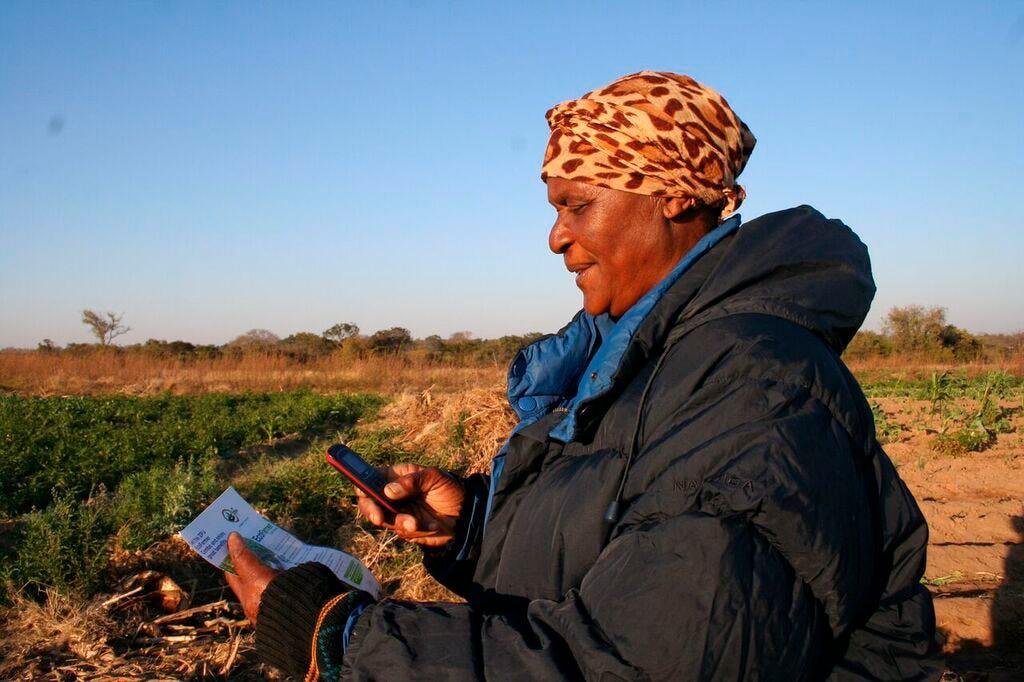
Africa has become one of the fastest-growing markets for microinsurance due to increasing mobile phone usage, expanding fintech ecosystems, and a large underserved population.
Growth Drivers
- Rapid adoption of mobile money services
- Expanding digital financial services
- Large informal workforce
- Growing awareness of financial inclusion
- Supportive government and regulatory initiatives
Key Sectors
- Agriculture
- Health
- Small and medium-sized enterprises (SMEs)
- Livestock farming
- Climate resilience
- Disaster recovery
Microinsurance is helping African farmers, traders, and low-income families manage risks while supporting broader economic development.
Best Practices for Successful Microinsurance Programs
| Strategy | Expected Outcome |
|---|---|
| Use Mobile Technology | Increase accessibility and reduce operating costs |
| Simplify Policy Terms | Improve customer understanding and trust |
| Partner with Community Organizations | Expand outreach and credibility |
| Invest in Financial Education | Increase insurance uptake and retention |
| Offer Flexible Payment Options | Improve affordability for low-income households |
| Leverage Data Analytics | Enhance pricing accuracy and risk management |
Future Trends in Microinsurance
Emerging trends are expected to shape the future of microinsurance, including:
- AI-powered underwriting and claims processing
- Embedded insurance within mobile and digital financial services
- Index-based insurance for agriculture and climate risks
- Greater use of satellite and weather data
- Expansion of digital identity and biometric verification
- Personalized insurance products driven by data analytics
- Stronger public-private partnerships to extend coverage
These innovations will improve efficiency, lower costs, and broaden access to insurance for underserved populations.
Conclusion
Microinsurance is a powerful tool for advancing financial inclusion and building resilience among low-income communities. By offering affordable, accessible, and tailored insurance products, it protects individuals and families from financial hardship while promoting economic stability and sustainable development.
In Africa and other emerging markets, the integration of microinsurance with digital technologies such as mobile money, artificial intelligence, and cloud computing is creating new opportunities to reach millions of previously uninsured people. As awareness grows and innovation continues, microinsurance is expected to play an increasingly important role in reducing poverty, strengthening livelihoods, and fostering inclusive economic growth.