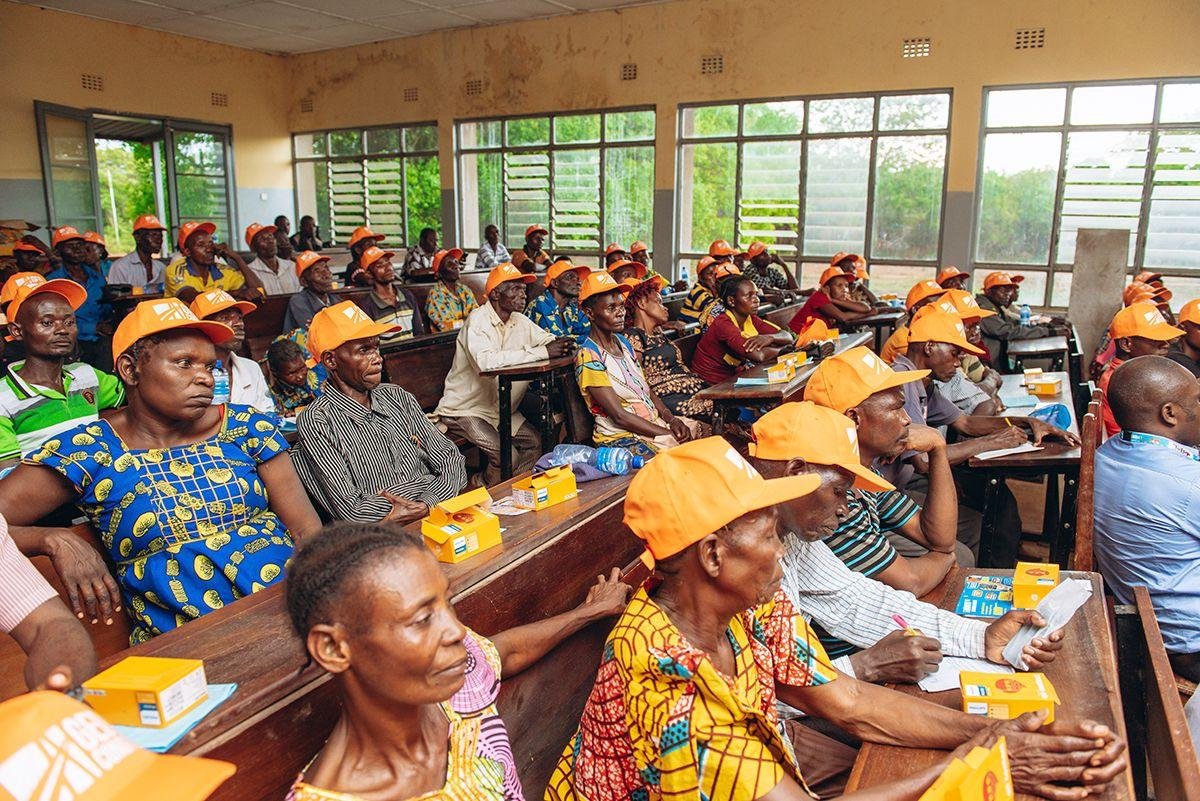
Introduction
Despite the growing availability of insurance products and financial services, millions of people around the world remain uninsured or underinsured. This situation is largely driven by the awareness gap—a lack of understanding about insurance—and the protection gap, which is the difference between the financial losses people experience and the amount covered by insurance.
These gaps are particularly significant in developing economies, where limited financial literacy, low incomes, and restricted access to insurance services leave individuals, businesses, and communities highly vulnerable to economic shocks. Closing the awareness and protection gaps is essential for strengthening financial resilience, reducing poverty, and supporting sustainable economic growth.
Understanding the Awareness Gap
The awareness gap refers to the lack of knowledge and understanding about insurance products, their benefits, and how they work. Many people are unaware of the risks they face or mistakenly believe that insurance is only for wealthy individuals or large businesses.
Common Causes of the Awareness Gap
- Low financial literacy
- Limited public education on insurance
- Complex insurance terminology
- Lack of trust in insurance providers
- Cultural misconceptions about risk and insurance
- Inadequate marketing and outreach in rural communities
Without sufficient awareness, individuals may fail to recognize the value of insurance until they experience a significant financial loss.
Understanding the Protection Gap
The protection gap is the difference between the total economic losses resulting from unexpected events and the amount that is covered by insurance.
For example, if a flood causes damages worth $100 million, but insured losses amount to only $30 million, the remaining $70 million represents the protection gap.
The protection gap affects households, businesses, governments, and entire economies by increasing financial vulnerability and slowing recovery after disasters.
Types of Protection Gaps
| Type | Description | Example |
|---|---|---|
| Health Protection Gap | Insufficient health insurance coverage | High out-of-pocket medical expenses |
| Life Insurance Gap | Inadequate financial protection after death | Families lose income when a breadwinner dies |
| Property Protection Gap | Homes and businesses lack insurance | Fire or flood damages remain uninsured |
| Agricultural Protection Gap | Farmers have little or no crop insurance | Crop losses from drought or pests |
| Climate Protection Gap | Limited insurance against climate disasters | Floods, storms, and droughts |
| SME Protection Gap | Small businesses lack adequate coverage | Business closures after disasters |
Factors Contributing to the Protection Gap
Several factors contribute to the widening protection gap:
- Low household income
- High insurance premiums
- Limited product availability
- Poor financial literacy
- Weak insurance distribution networks
- Climate change and increasing disaster risks
- Regulatory and policy challenges
- Low public confidence in insurers
Impact of Awareness and Protection Gaps
1. Increased Poverty
Families without insurance often rely on savings, loans, or asset sales to recover from unexpected losses, increasing the risk of long-term poverty.
2. Slower Economic Recovery
Communities with low insurance coverage take longer to recover from natural disasters, health crises, and economic disruptions.
3. Reduced Business Growth
Small and medium-sized enterprises (SMEs) may struggle to recover from fires, theft, or other losses without adequate insurance.
4. Greater Government Financial Burden
Governments frequently provide emergency relief to uninsured populations, placing additional pressure on public finances.
5. Lower Financial Inclusion
Limited awareness and access to insurance reduce participation in the formal financial system.
Strategies for Closing the Gaps
| Strategy | Expected Outcome |
|---|---|
| Financial Literacy Campaigns | Increase public understanding of insurance |
| Affordable Microinsurance | Expand access for low-income households |
| Digital Insurance Platforms | Simplify policy purchase and claims |
| Community Outreach Programs | Build trust and awareness |
| Public-Private Partnerships | Improve insurance accessibility |
| Simplified Insurance Products | Encourage first-time buyers |
| Regulatory Reforms | Promote innovation and consumer protection |
The Role of Technology
Technology is helping insurers reduce both awareness and protection gaps through digital innovation.
| Technology | Application | Benefits |
|---|---|---|
| Mobile Applications | Policy purchase and claims | Increased convenience |
| Artificial Intelligence (AI) | Personalized recommendations | Better customer experience |
| Big Data Analytics | Risk assessment | More affordable pricing |
| Blockchain | Secure transactions | Increased transparency and trust |
| Social Media | Public awareness campaigns | Wider audience reach |
| Digital Payments | Premium collection | Easier access and lower transaction costs |
Awareness and Protection Gap in Africa
Africa faces one of the world’s largest insurance protection gaps due to low insurance penetration, limited financial literacy, and high exposure to economic and climate-related risks.
Key Challenges
- Large informal economy
- Low insurance penetration
- Limited awareness of insurance benefits
- Climate-related disasters affecting agriculture
- High levels of poverty
- Limited access to financial services in rural areas
Opportunities
- Expansion of mobile-based insurance
- Growth of microinsurance products
- Increased investment in Insurtech
- Financial education initiatives
- Partnerships between governments, insurers, fintech firms, and development organizations
Addressing these challenges can improve resilience and expand financial protection for millions of people across the continent.
Recommendations
| Recommendation | Benefit |
|---|---|
| Invest in financial education | Improve understanding and trust |
| Promote affordable insurance products | Increase accessibility |
| Expand digital distribution channels | Reach underserved communities |
| Encourage innovation through Insurtech | Reduce operational costs |
| Strengthen consumer protection | Build confidence in insurance markets |
| Support climate risk insurance | Enhance resilience to natural disasters |
Future Outlook
The future of insurance will increasingly focus on expanding awareness and narrowing protection gaps through technology, innovation, and collaboration. Artificial intelligence, mobile platforms, digital identity systems, and data analytics will enable insurers to develop more inclusive products and reach underserved populations more effectively.
Governments, regulators, insurers, and technology providers will play a vital role in ensuring that financial protection becomes accessible to all, particularly vulnerable communities facing economic uncertainty and climate risks.
Conclusion
The awareness and protection gaps remain major obstacles to achieving universal financial security and inclusive economic development. While insurance products have become more innovative and accessible, many individuals and businesses continue to lack the knowledge, trust, or financial capacity needed to obtain adequate coverage.
Bridging these gaps requires coordinated efforts in financial education, product innovation, regulatory support, and digital transformation. By expanding awareness and improving access to affordable insurance solutions, especially through microinsurance and Insurtech, countries can strengthen financial resilience, reduce poverty, and foster sustainable economic growth.